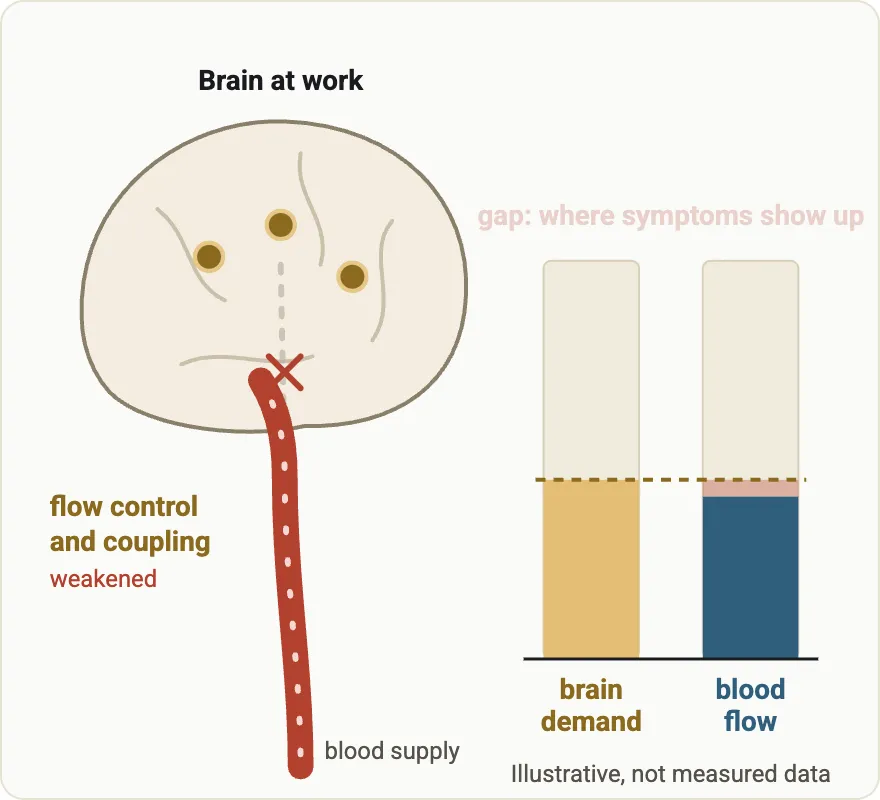
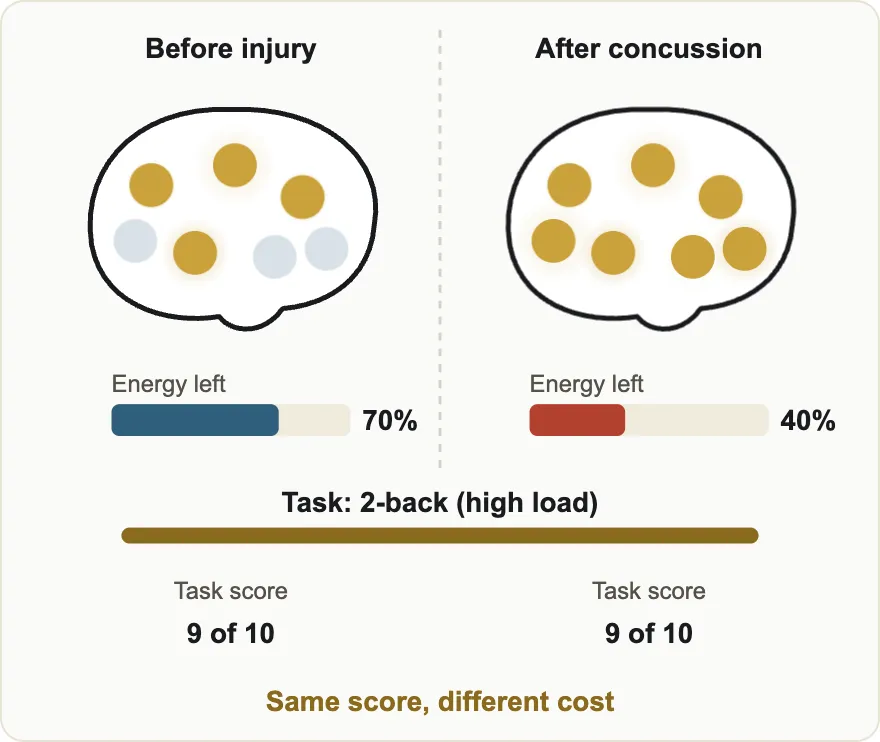
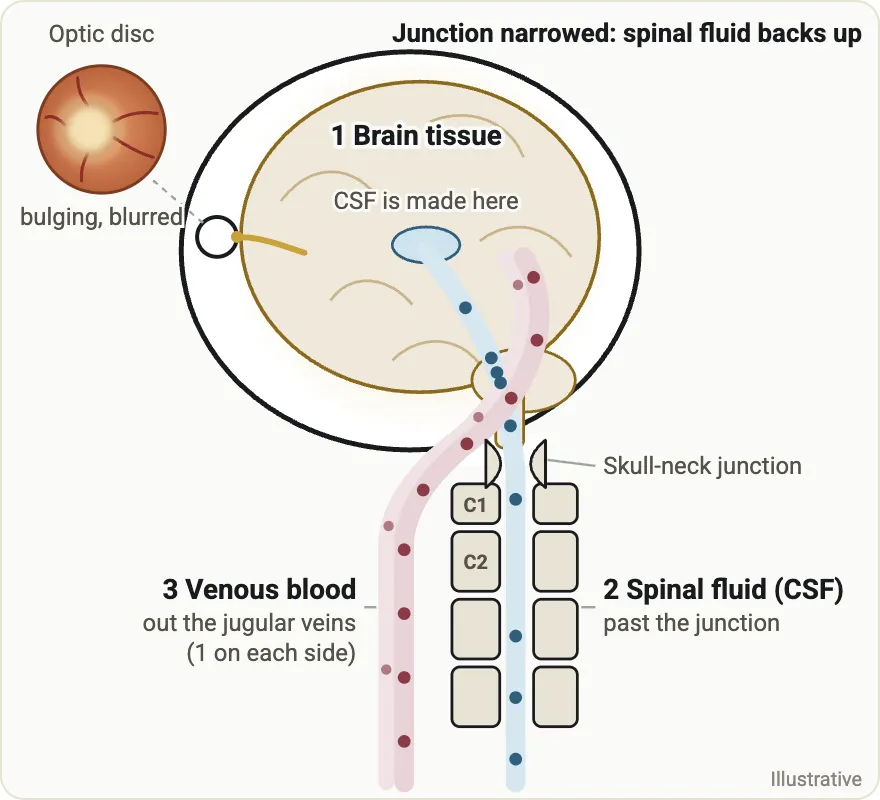
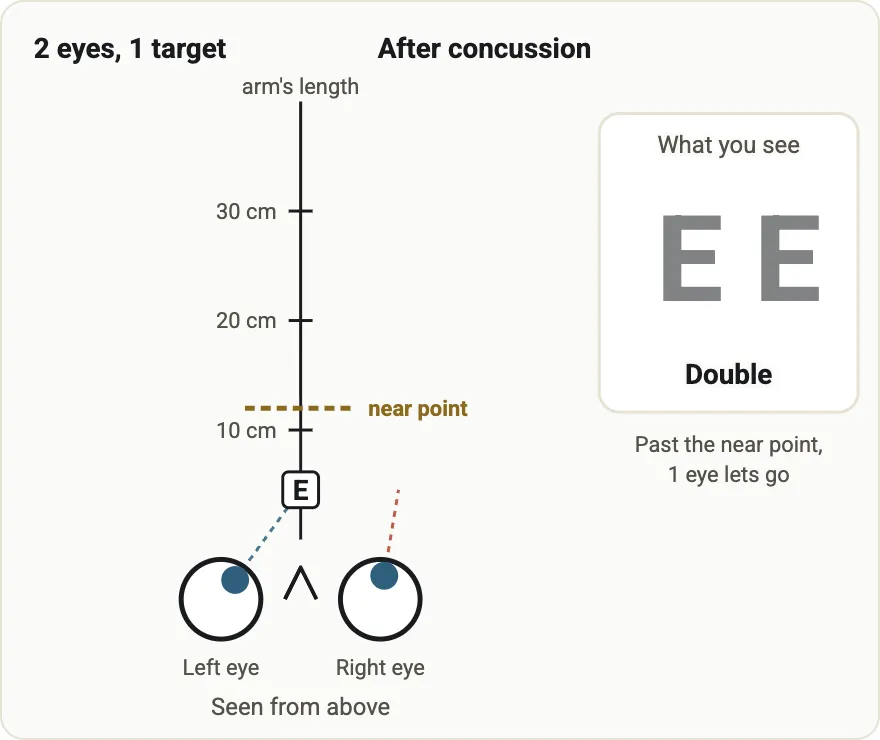
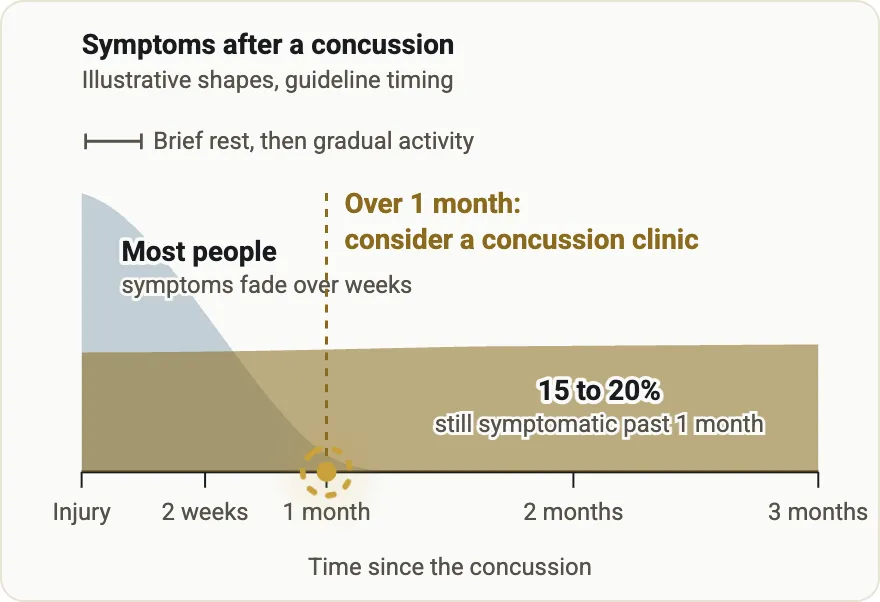
A concussion that should have cleared in weeks can last for months or years. Our team looks at why: how the brain controls its blood flow and its balance after an injury. Start with why symptoms stay, then what treatment looks like and when a head injury is an emergency.
Many concussions heal on their own, but a real share of adults still have symptoms a year later. See why: brain blood flow, the brainstem, vision and anxiety.
Read Article
Concussion fatigue fades most in the first 3 months. Of people with sleep and fatigue problems at 2 weeks, about a third still have problems at a year.
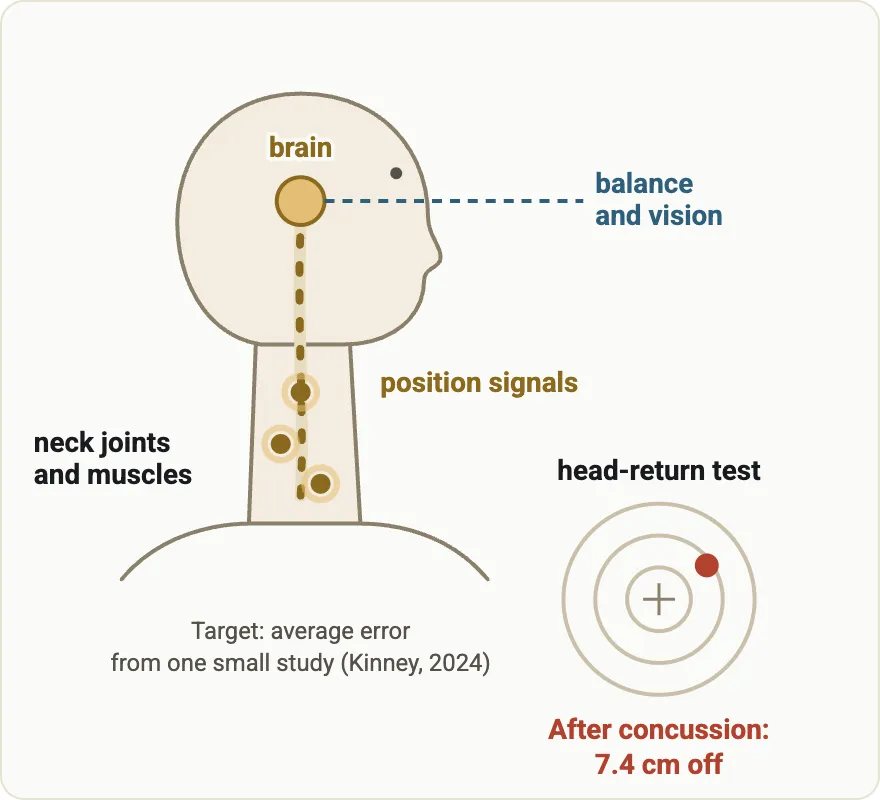
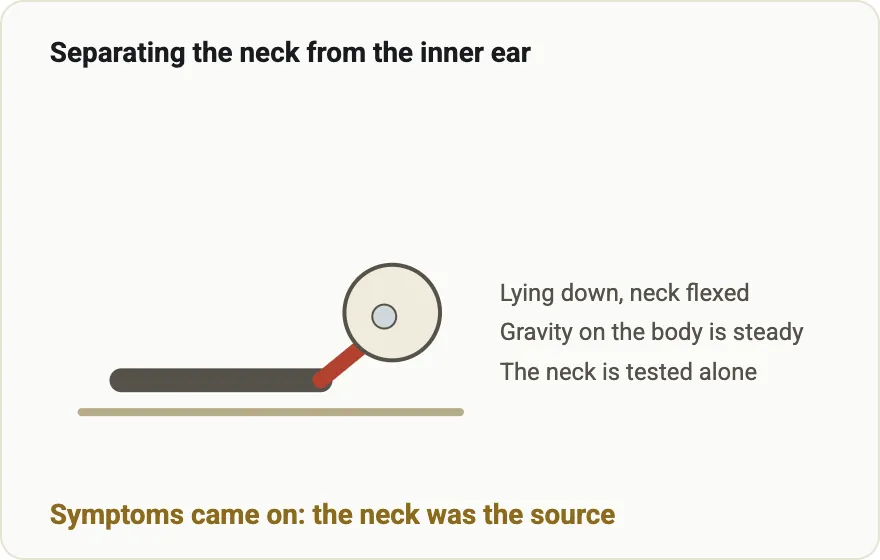
Why your neck can hurt after a concussion or whiplash, what the research on neck position sense shows, and what a neck exam checks.
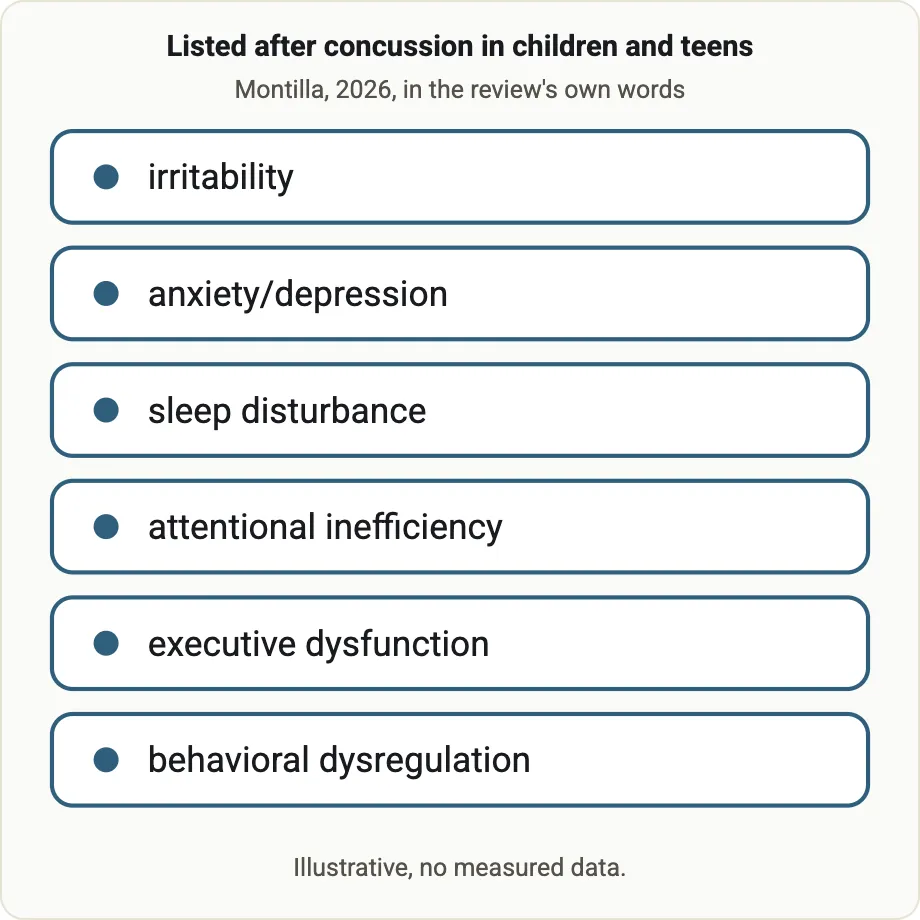
What research shows on irritability, anxiety and low mood after a concussion, how past history matters, and when to get help for a mood change.
What causes head pressure after a concussion: the 3 routes our team checks, the signs that need an eye exam this week, and how raised pressure is checked.
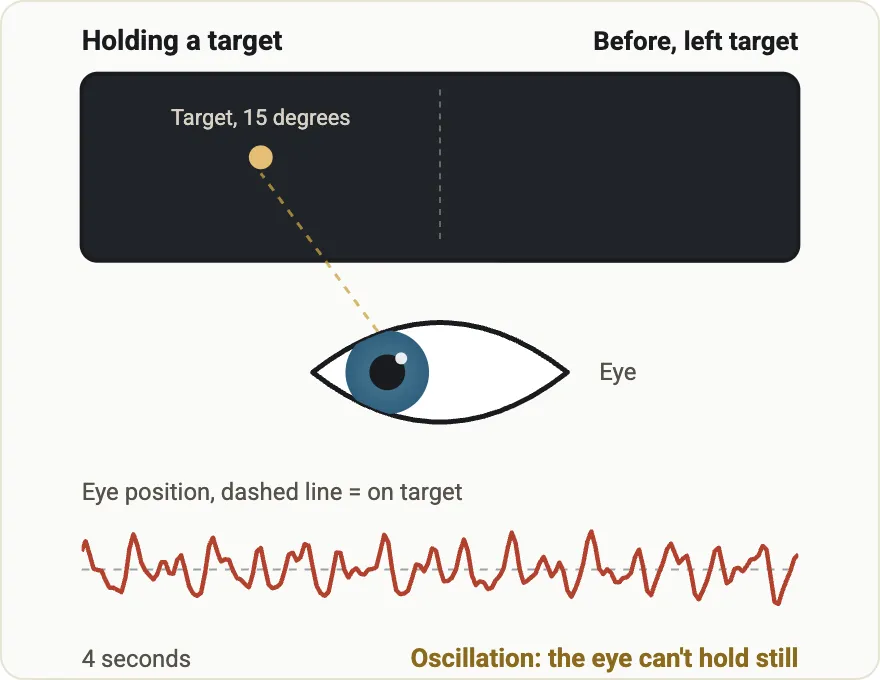
Blurry, foggy or double vision after a concussion comes from how the brain aims, focuses and moves the eyes. Why the exam is normal and how long it lasts.

Post-concussion case study: dizziness, heart rate spikes, nausea, and broken sleep. See the eye findings, treatment steps, and outcome.
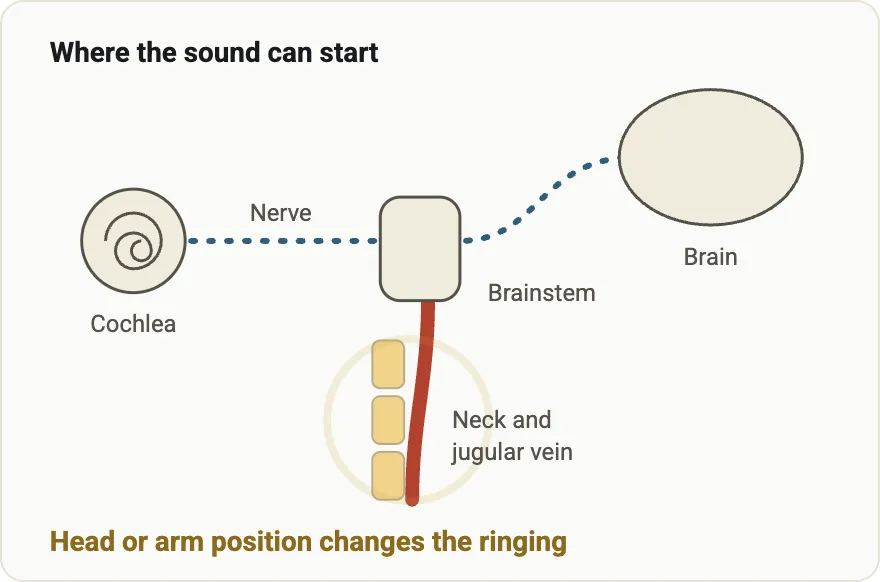
A concussion can cause ringing in the ears even with a normal hearing test. Where the sound starts, why it changes with head position, and what helps.
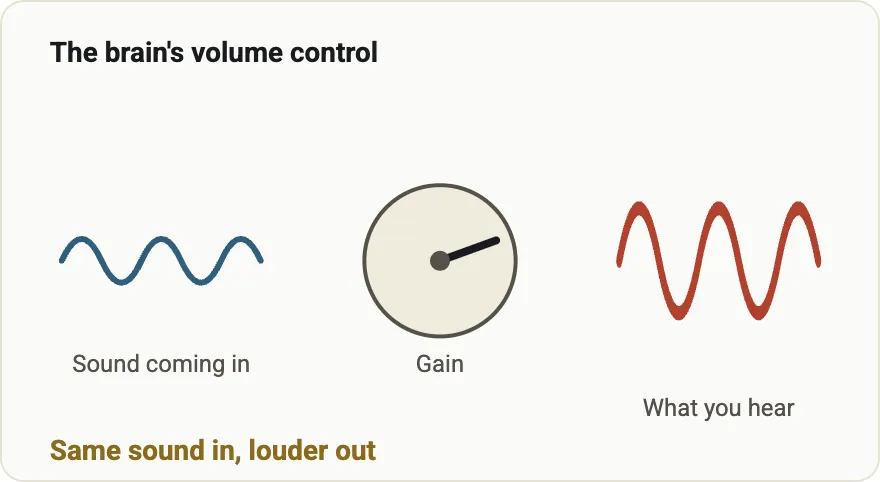
Noise sensitivity affects 45% of adults early after a concussion and 28% at 12 months. Why sound feels too loud and why earplugs can backfire.
Cervicogenic dizziness comes from the neck and is common after whiplash. Why it's missed, how our team tells it from inner ear dizziness, and what helps.
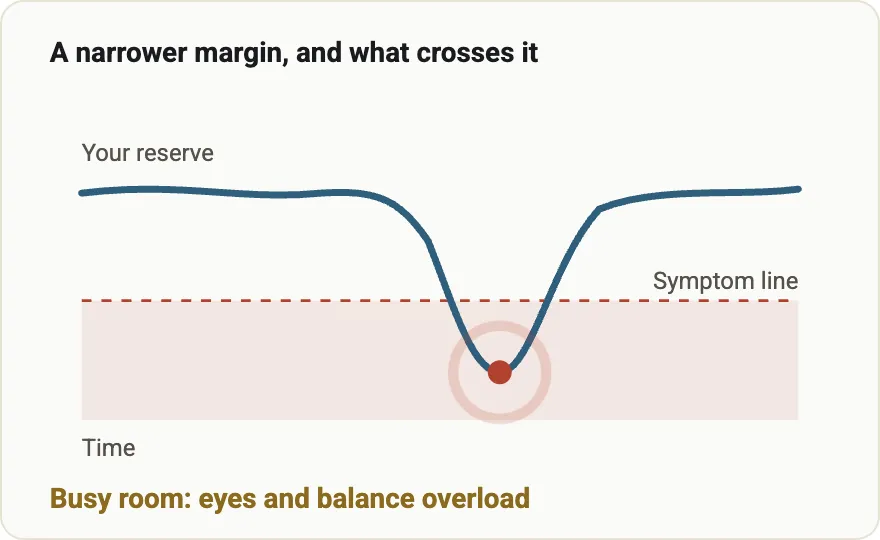
Concussion symptoms that seem random usually have a trigger: a head position, a big meal, heat or a busy room. How our team finds which one is yours.
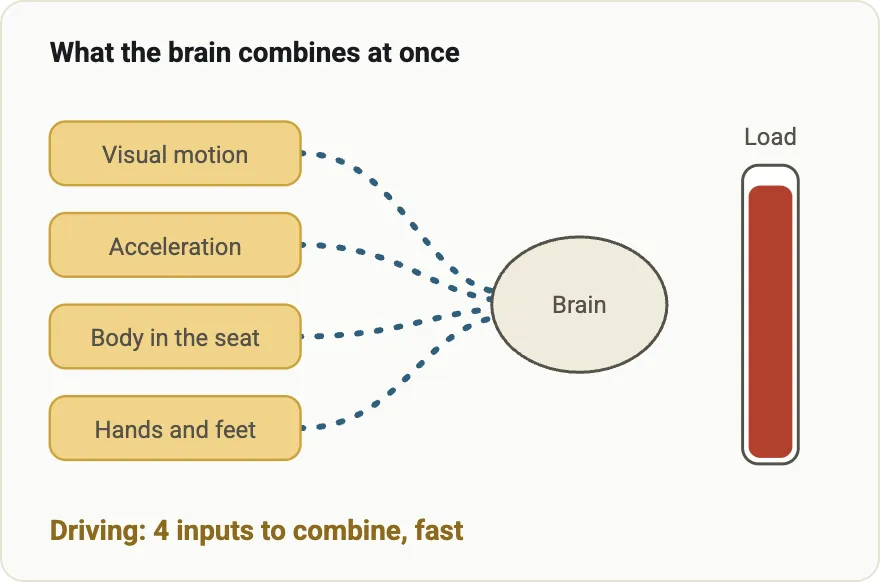
Driving after a concussion can bring on nausea, anxiety and exhaustion, and reaction time stays slower after symptoms clear. Why it happens and what helps.
CT and MRI often look normal after a concussion. A functional exam measures what changed: eyes, pupils, balance, autonomic reflexes and blood flow.
Neurologists, sports medicine, physiatry, vision and vestibular therapists and chiropractic neurologists all see PCS. What each one measures and treats.
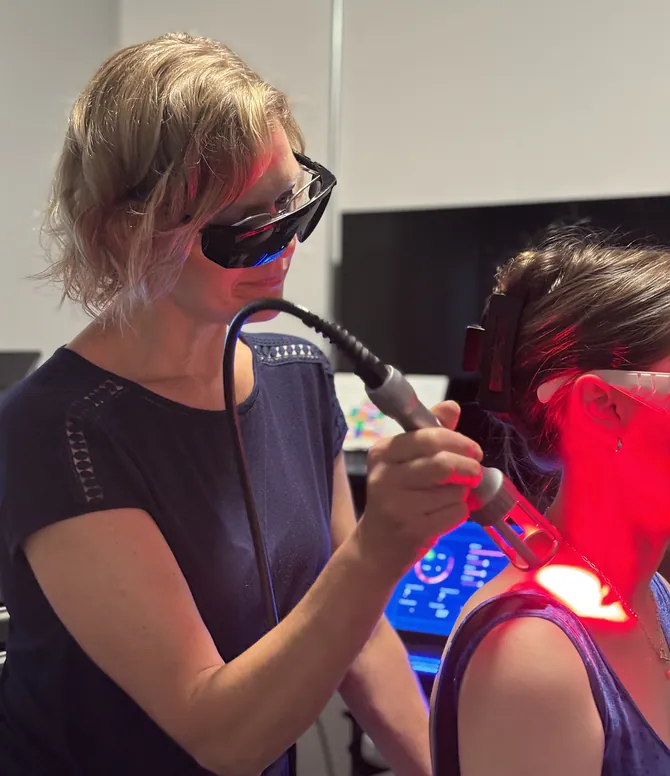
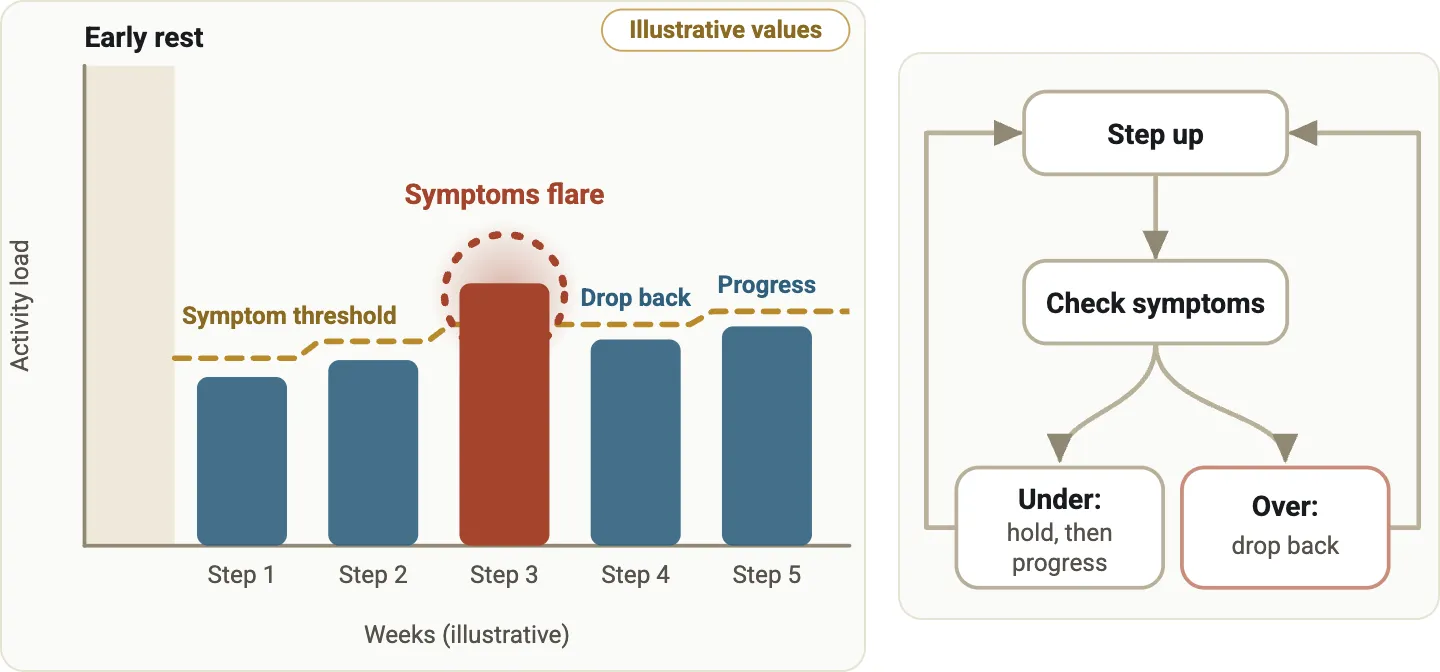
Post-concussion syndrome treatment starts with testing which systems aren't working. See which rehab options have trial support and how long they ran.
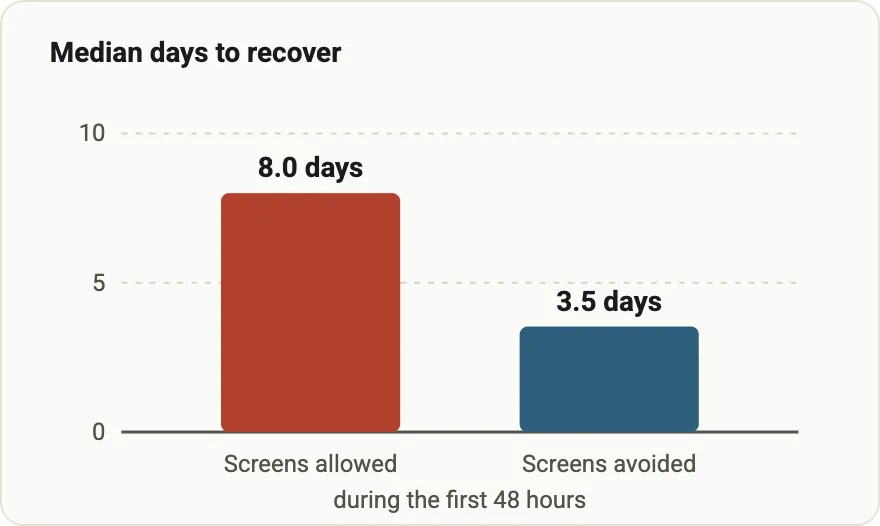
Avoiding screens for 48 hours shortened concussion recovery from 8 days to 3.5 in a trial. What to do after that, and why screens still bother you months later.
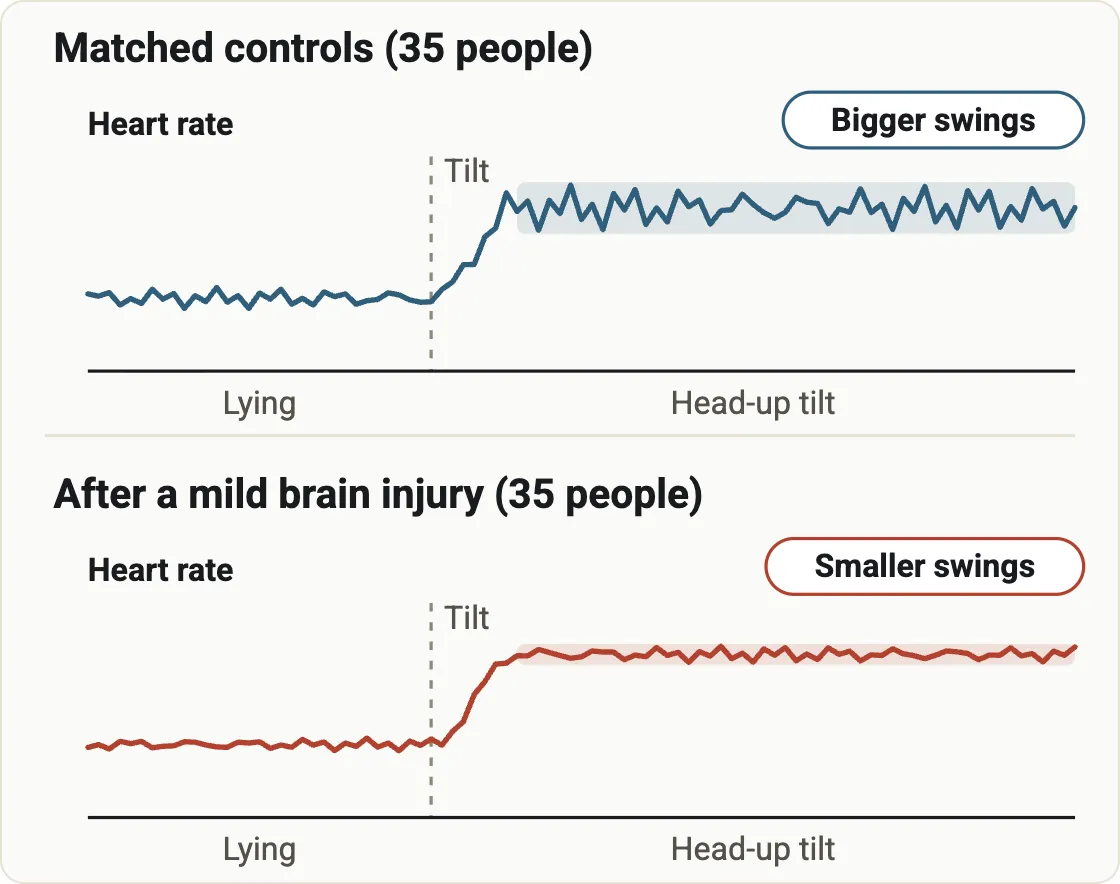
Dysautonomia is increasingly recognized after concussion. See what studies show about POTS after a head injury and what a racing heart can tell you.
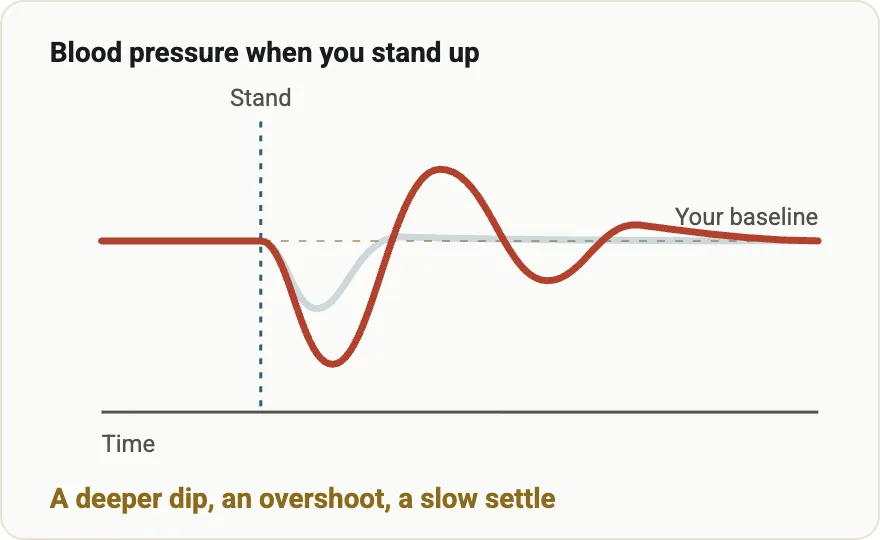
A concussion can disturb the baroreflex, the reflex that holds blood pressure steady. Why readings swing after a head injury and when to see a physician.
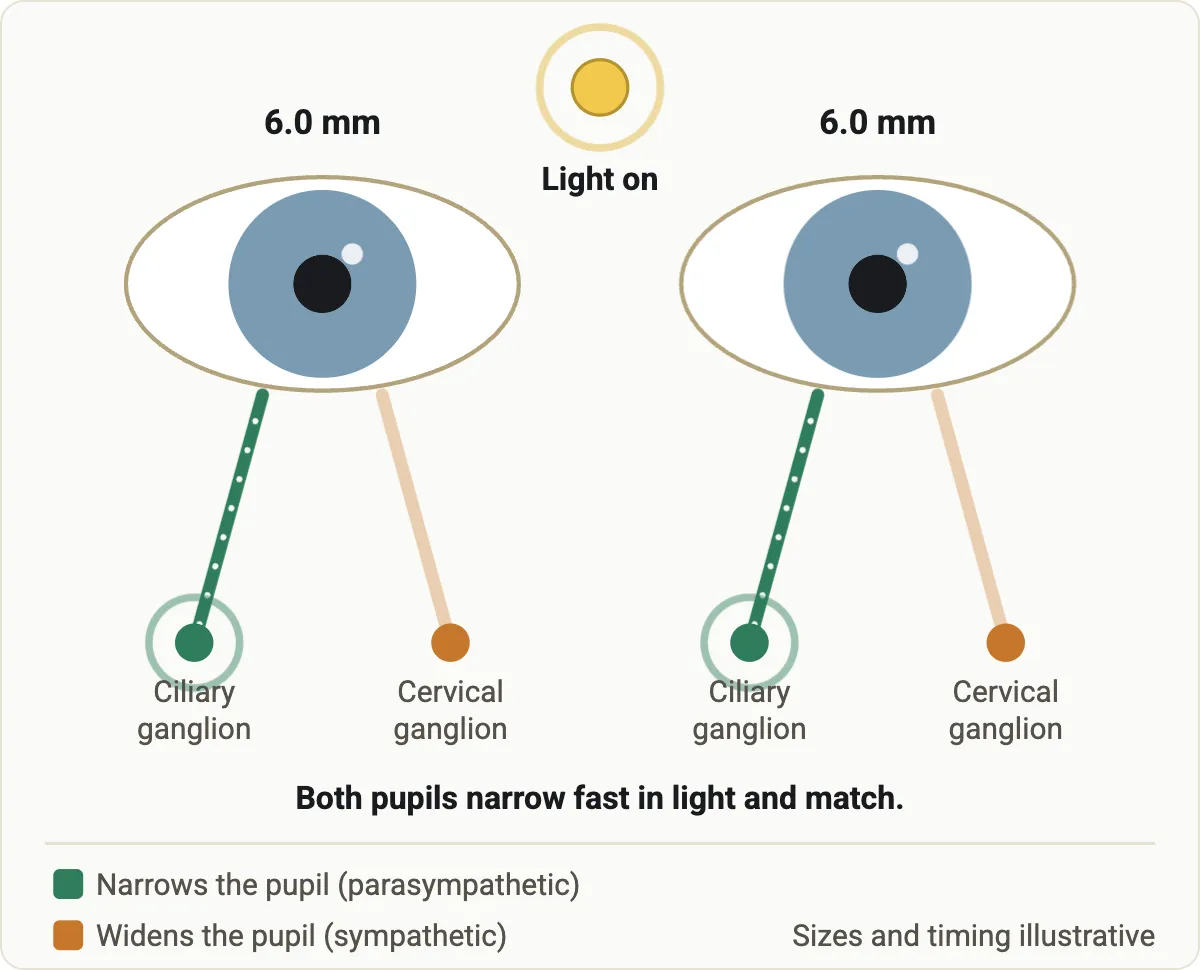
When unequal pupils after a head injury mean calling 9-1-1 or going to the ER, how common a harmless difference is, and what concussion does to both pupils.
To see how our team evaluates and treats lingering symptoms, visit the post-concussion page, or take the 3D tour of our testing.
A free guide to understanding what's actually happening in your brain, and what to do about it.
Get the Free Roadmap